
Student briefing · commercial path
How to become a commercial pilot: the student pilot briefing
From first lesson to the flight deck.
Class 1 Pilot is the map every aspiring student should read before they pay for hours: licences, Class 1 medicals, cadet programmes, schools, and the real cost of a commercial cockpit.
Founder & content provider
Class 1 Pilot is founded by the aviation education Facebook page that publishes living guidance for aspiring commercial pilots. That page is the main content provider for this site.
Weekly dispatch · issue 02
This week in aviation.
Bookmark the dispatch. Same URL every Saturday. Sourced headlines for students, not a rumour thread.
01 · Gulf
Emirates is hiring again — experienced captains, not ab initio
On 23–26 November, Gulf News and Khaleej Times reported more than 100 Emirates Group vacancies, including Direct Entry Captain. The published bar is an ICAO ATPL, a Class 1 medical, ICAO English 5, at least 7,000 hours on multi-crew multi-engine aircraft (no P3, no piston, no rotary), and recent Airbus fly-by-wire command time for the A350 and A380 seats. Packages quoted for those captains run up to about Dh1.185 million a year. Deputy President Adnan Kazim has said the airline did not freeze hiring through the recent regional disruption. The UAE is also cited as needing about 22,000 pilots and crew by 2033.
02 · World
Airbus: 660,000 new pilots by 2045
Airbus’s Global Services Forecast, published 14 October and still the standing 2026–2045 number, says the industry needs about 2.44 million new professionals: 660,000 pilots, 730,000 technicians and 1.05 million cabin crew. Regional pilot demand in that forecast: Europe and CIS 136,000, China 123,000, Asia-Pacific 112,000, North America 109,000, Middle East and Africa 92,000, South Asia 50,000. Boeing’s July outlook was 674,000 pilots. The two manufacturers are within a rounding error of each other. Airbus also puts the training market near $17 billion a year by 2045, and passenger numbers roughly doubling toward 10 billion.
03 · Americas
Delta’s November class: 53 pilots, average 3,800 hours
Delta’s pilot group said a new-hire class of 53 started orientation on 10 November. That took 2026 hires to 1,869, against a full-year projection of 2,168. The class averaged 3,800 hours (range 1,550 to 16,400). About 29% came from Delta Connection regionals. Youngest was 24, oldest 51. Industry notes still put United near 1,800 pilot hires for 2026 and Southwest near 1,100.
8
phases from medical to ATPL
22
flight schools and academies listed
12
cadet and mentored programmes mapped
Blog
Written so search can find the path.
Fourteen articles. Living updates stay on the founder’s Facebook page.
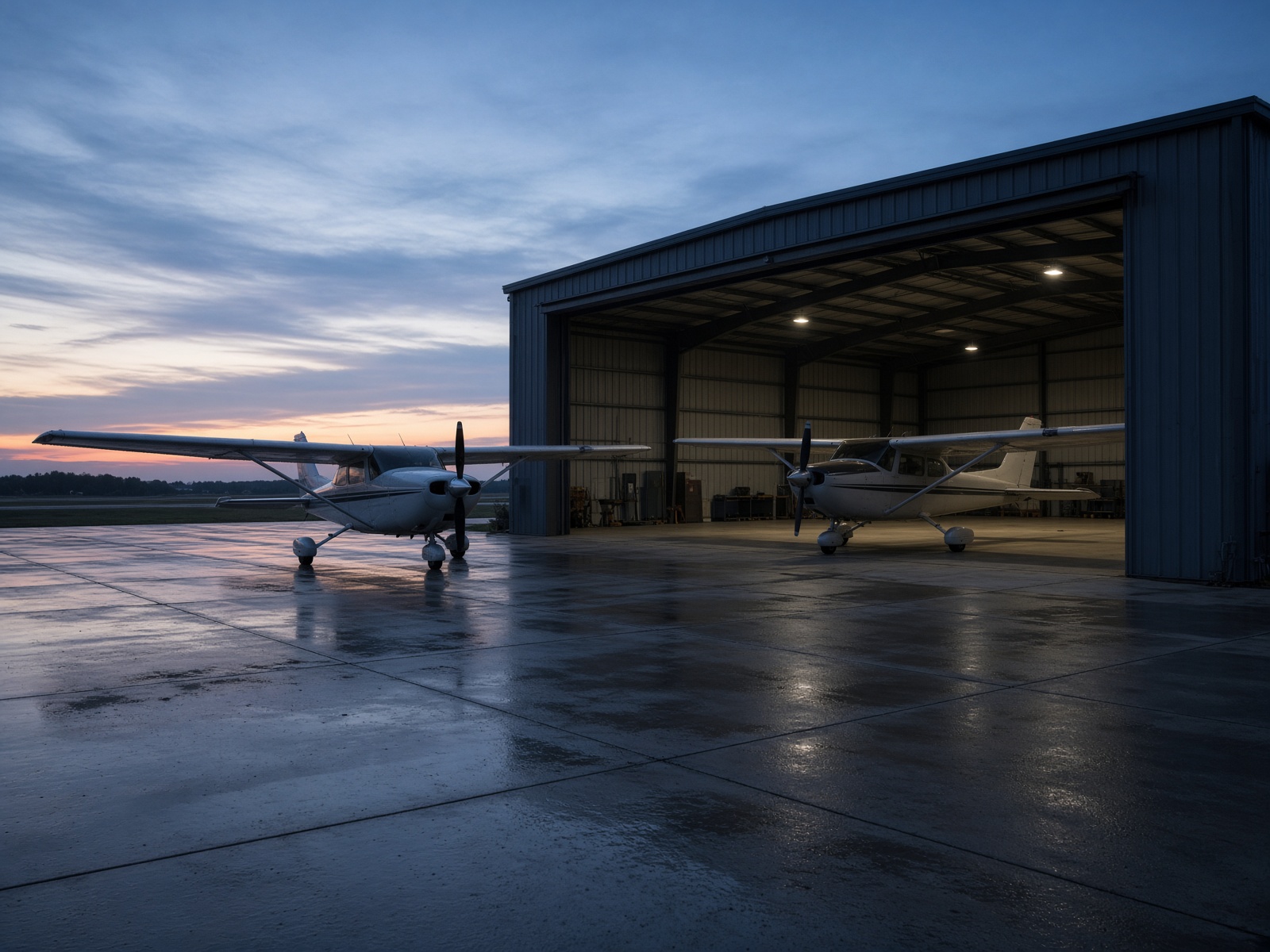
DGCA CPL in India: Steps, Exams, Medical, Hours
How to get a DGCA CPL in India: computer number, Class 1 medical, written papers and the flying hours the Aircraft Rules require.
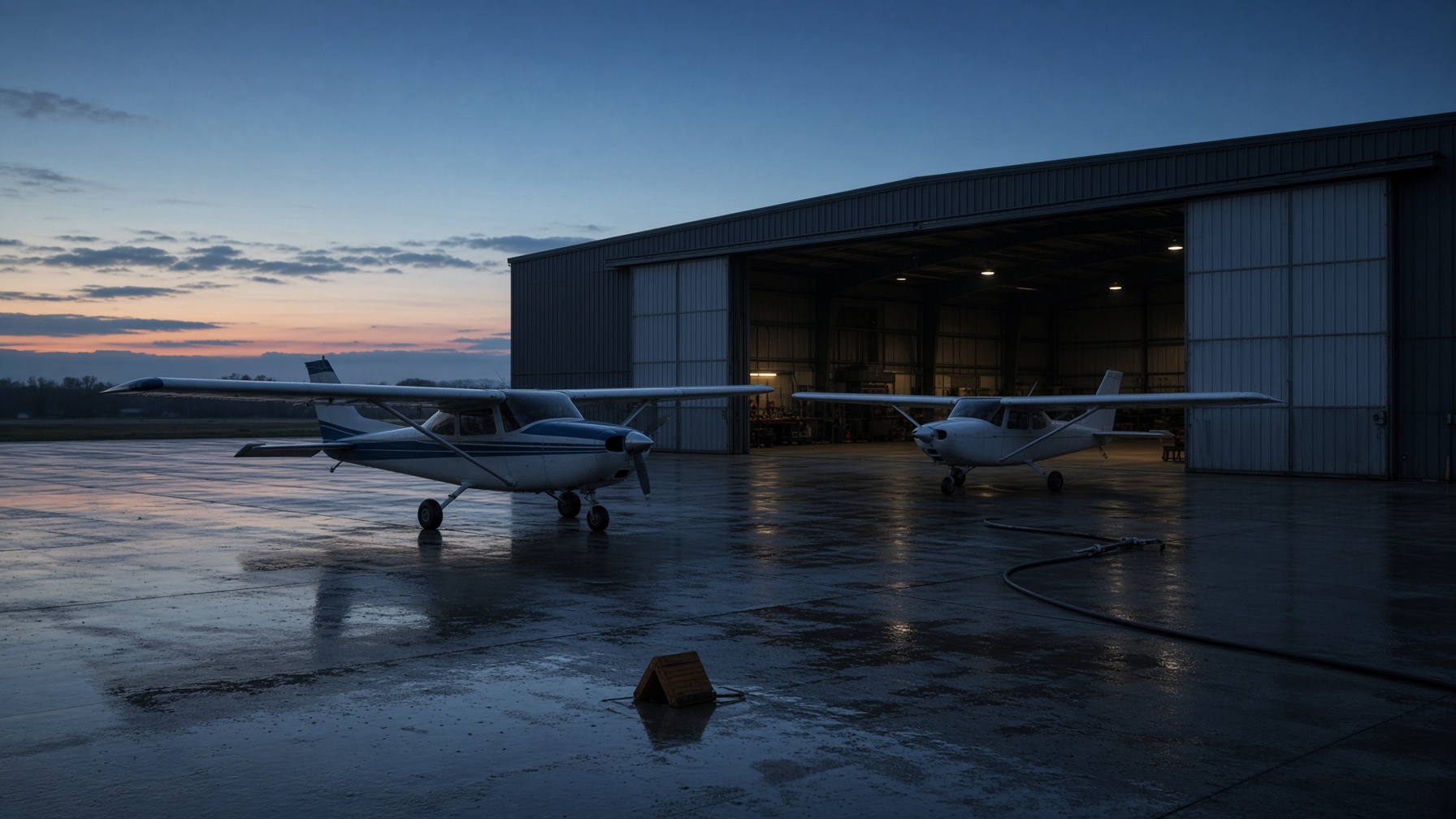
How to Choose a Flight School — and the Red Flags
How to choose a flight school: ATO approval, aircraft on the line, instructor ratio and first-time pass rates. Visit the apron before any deposit.
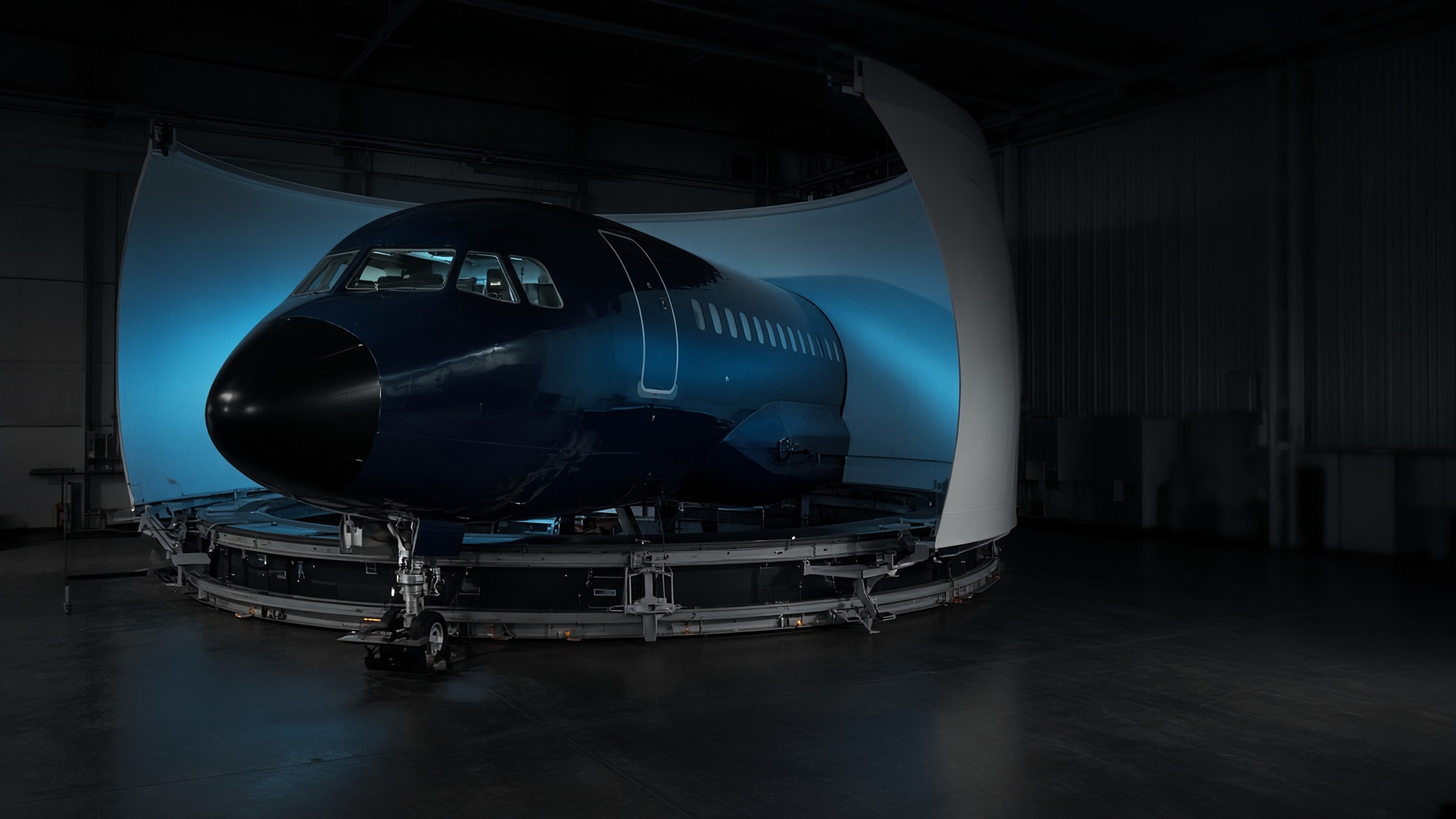
Should You Buy an A320 or B737 Type Rating?
Buying an A320 or B737 type rating is usually a no. Costs, currency, written job letters, cadet packages, pay-to-fly traps, and why widebodies still wait.
The path
Eight phases. Skip none.
01
Decide, then qualify
2–6 weeks
A commercial flying career is long, expensive, and public-safety work. Confirm the lifestyle, the money, and the medical before you spend a rupee or a dirham on hours.
02
Pass a Class 1 medical
1–4 weeks
No Class 1, no commercial licence. Book an authorised Aviation Medical Examiner for the authority you will train under (FAA, EASA, GCAA, PCAA, CAA Oman, DGCA, and so on).
03
Pick an authority and a school
2–8 weeks
Your licence is only as useful as the regulator behind it. Choose FAA, EASA/UK CAA, or your national CAA, then a school that is actually approved — not a brochure.
04
Ground school
3–12 months
You learn the language of the flight deck: air law, meteorology, navigation, principles of flight, human performance, instruments, mass & balance, and radio.
05
Private Pilot Licence (PPL)
2–6 months
This is the first licence you hold in your own name. You learn to take off, navigate, land, and make decisions as pilot-in-command in visual conditions.
06
Instrument rating and hours
3–8 months
Airlines fly in cloud, at night, and in busy airspace. The instrument rating (IR) plus cross-country hours turn a private pilot into someone who can operate a system.
07
Commercial Pilot Licence + multi-engine
2–6 months
The CPL is the licence that lets you be paid to fly. Multi-engine (ME) is what almost every airline and charter operator actually wants on the CV.
08
Airline readiness
3–24 months
A frozen ATPL, MCC, jet orientation, and hours get you to the interview. Then type rating, line training, and 1,500 hours unfreeze the ATP.
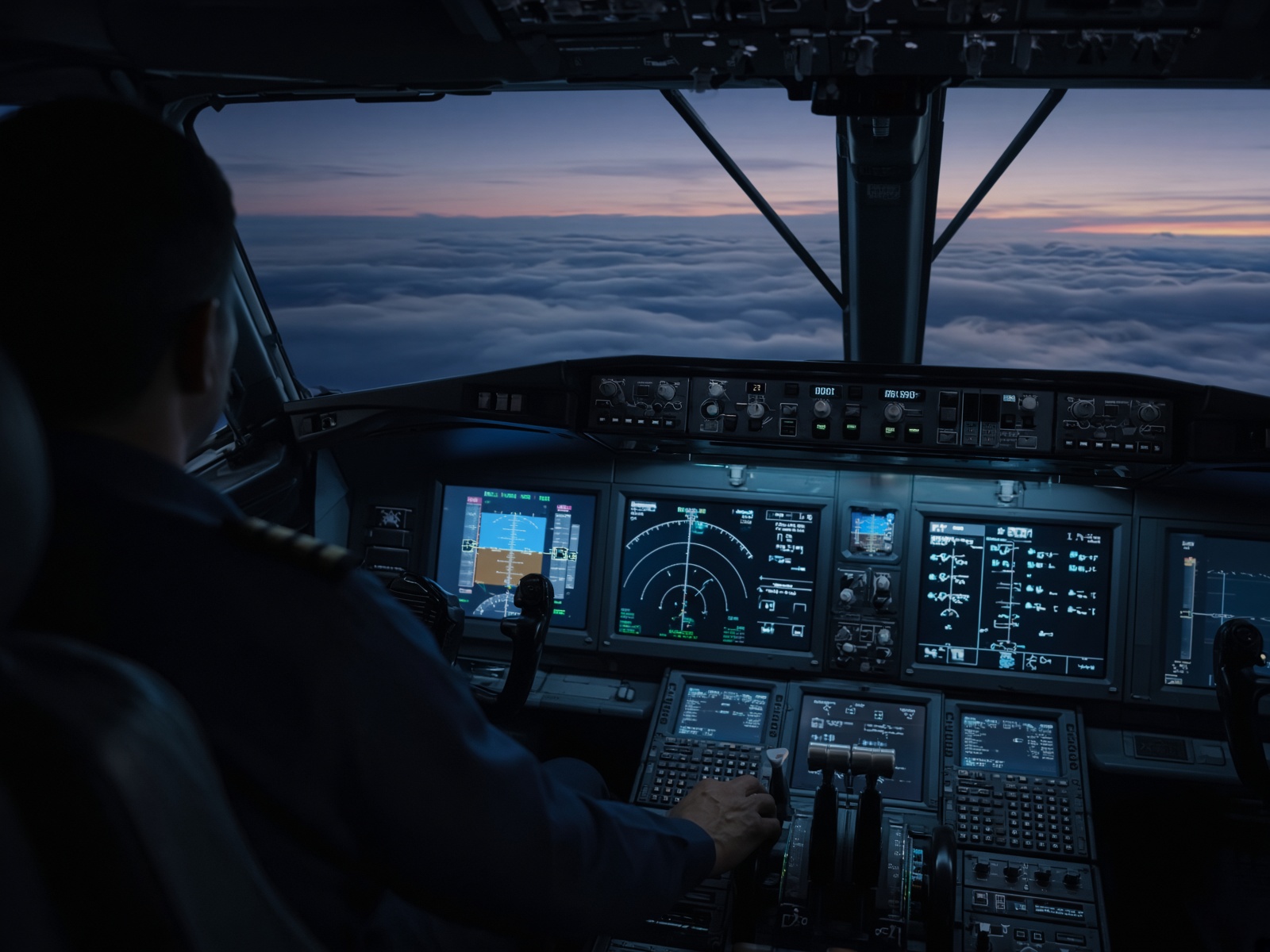
What you actually need
Age, English, a Class 1, and a licence the airline recognises.
Class 1 medical first
If you cannot hold it, the rest of the spend is theatre.
Pick an authority on purpose
FAA, EASA, GCAA, PCAA, CAA Oman — conversion is a second bill.
School is not a brand, it is an approval
Count aircraft, instructors, and first-time pass rates.
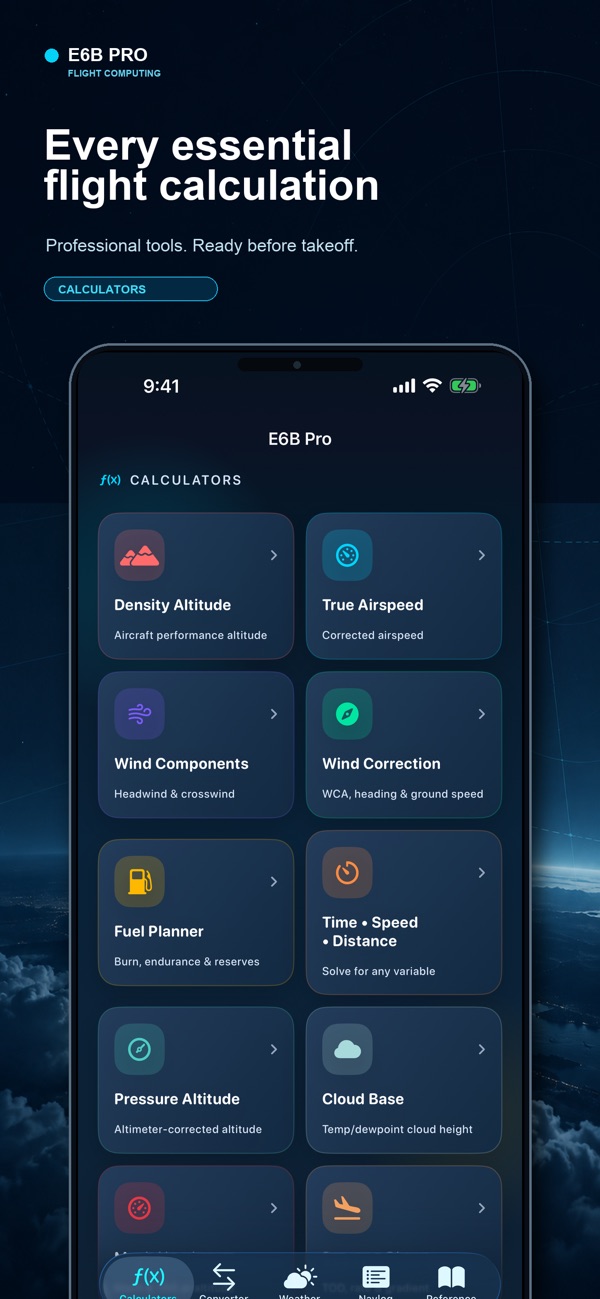
iPhone app · Imran Shaukat
E6B Pro, the flight computer students keep on the phone.
Density altitude, true airspeed, wind, METAR and a VFR navlog. $6.99 on the US App Store. A training aid — not certified navigation, and not a replacement for the POH.
Tools
Use these before a deposit.
E6B Pro app
The iPhone flight computer: density altitude, wind, METAR, airports and a navlog. $6.99 on the App Store.
E6B computer
Density altitude, TAS, wind, fuel, TOD, 1-in-60. The metal computer, on a phone.
VOR trainer
OBS, CDI, TO/FROM, DME, reverse sensing. Identify a radial. Fly an intercept.
Fit check
Ten honest questions: medical, money, English, nationality, and whether you can live with a fail.
Cost estimator
Region, path, housing months, type rating. A number you can argue with — plus 20% contingency.
Class 1 medical
What they check, what is often fine, and the hard stops. Book this before a school invoice.
METAR / TAF
Paste a report. Wind, vis, weather, cloud, QNH — in English you can brief.
Holding pattern
Direct, teardrop, parallel. Inbound, turns, heading. The 70/110 oral.
Mass & balance
Classroom 172 and PA-28. Seats, fuel, bags, CG envelope. Not an AFM.
Briefings
Four pages students actually forward.
Licence conversion
PCAA, DGCA, EASA, FAA, GCAA, Oman — exams, flying, cost, and the catch before you book a conversion course.
Class 1 packing list
What to take, what to say, what not to hide. Printable. Ticks stay on this phone.
Airline minima
Height, BMI, age, vision, English, hours. Typical advertised bars. The live careers page still wins.
Radio English
Sixteen readback drills. Level 4 is legal. Boards listen for 5. Practise out loud.
Cadets
An airline logo is not a job offer.
Emirates, Qatar, IndiGo, Ryanair, Air Arabia — mapped with who can actually apply. Most Gulf cadet seats are nationals-only. If that is not your passport, self-fund and keep applying when windows open.
Schools
A first shortlist.
Famous academies and universities with official links. Always verify current ATO approval and cadet nationality rules.
Emirates Flight Training Academy
Dubai South, UAE
Emirates-backed ATPL from zero hours, Boeing-linked courseware, dual GCAA/EASA ATO. Closest structured path if Emirates is the target — still not a guaranteed job.
Oman Aviation Academy
Oman
EASA-approved frozen ATPL in Oman with CAA Oman recognition. Year-round flying weather and a local option for GCC-based students.
ATP Flight School
Nationwide, USA
Largest US airline-oriented school. Fast-track from zero to commercial/CFI, then instructor hours toward ATP. Airline partnerships, not a job contract.
CAE
Phoenix, Madrid, Brussels, Gondia, and more
The simulator company that also runs ab-initio academies and airline cadet pipelines. Strong airline placement history; selection is real.
Questions
Ask these before you pay.
Living answers continue on the founder’s Facebook page. The standing answers live here.
Pay, ranks, and interview questions
Print the checklist. Then follow the founder.
Use the on-site checklist to keep yourself honest, and keep the Facebook page open for the day-to-day briefing.